



Your home can feel better to live in, cost less to run, and present well for resale when you match smart design with solid performance. I’ve spent years helping Australian homeowners choose upgrades that actually work, and I want to share what I’ve learned with you.
This guide focuses on actions you can brief to trades or handle yourself, with clear specs and realistic budgets. You’ll find practical ideas organised room by room, plus a simple way to sequence your work so you avoid expensive rework. Let’s get started.
Join The European Business Briefing
The daily email on markets, technology, power and money across Europe. Join 10,000+ founders, investors and executives who read EBM every morning.
SubscribeFollow Three Steps To Plan Your Upgrades In The Right Order
Start with constraints, then lock in performance, then layer your finish selections. That order prevents expensive rework and keeps your timeline moving.
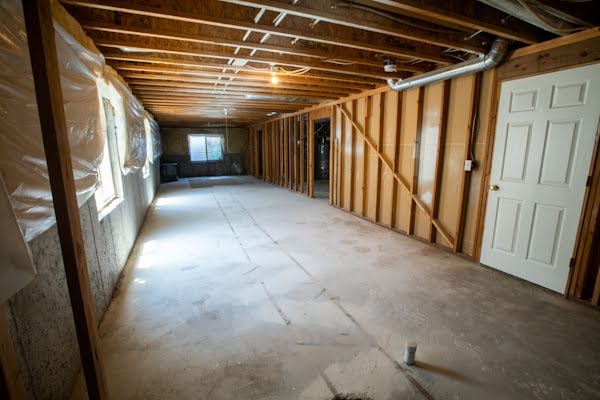
Step 1: Map Your Space Before Buying Anything
Note room orientation and breeze paths. North facing living areas with correctly sized eaves reduce heating and cooling needs across Australian climate zones. Mark window swings, power points, and ceiling heights before you shop.
Record clear internal dimensions for each room. Keep circulation at 900 mm or more where you can, and confirm sofa to coffee table clearance at 350 to 450 mm for comfort.
Step 2: Prioritise Comfort and Energy Performance
Seal obvious gaps, plan shading, and lock in efficient lighting before any cosmetic upgrades. Space heating and cooling use around 40 percent of household energy in Australia, so correct sizing matters.
Use layered lighting with LEDs that have a Colour Rendering Index (CRI) of 90 or more, so colours look natural. They use about 75 percent less energy than halogens and last longer, so they often pay back within a year.
Step 3: Phase Cosmetic Work Last
After sealing, shading, and lighting are handled, move to paint, soft furnishings, and artwork. This avoids patching or repainting because of late electrical changes. Batch similar trades to reduce call out time and disruption.
Use Clear Specs To Upgrade Each Room Without Guesswork
Use these concise, spec driven actions to guide your shopping list and trade briefs. Budgets are indicative in AUD and assume mid market products.
Entry That Works Hard
Fit a 900 to 1200 mm bench with drawers for shoes and keys. Hang a mirror with a 1450 mm centreline for consistent eye level. Add 3000K wall sconces on a motion sensor for safe arrivals. Budget: $450 to $2,000.
Living Room Zoning
Select a 200 x 300 cm rug so front sofa legs sit on it. Choose an 80/20 wool nylon blend for durability in high traffic zones. Keep 350 to 450 mm clearance between sofa and coffee table. Budget: $600 to $2,500.
Living Room Focal Wall
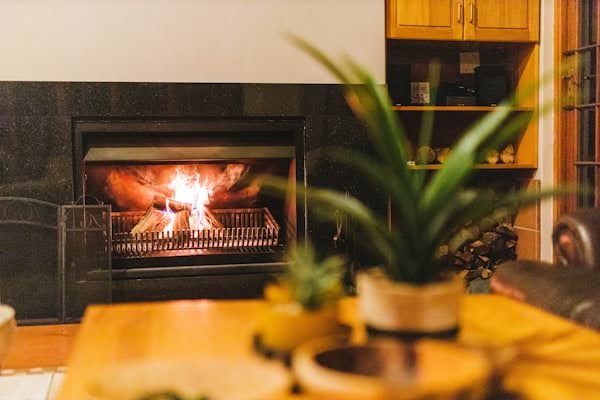
In larger Australian open plan living rooms, a strong focal point helps organise furniture, draw the eye and make the space feel inviting. Anchor open plan spaces with a sculptural element, such as a plastered fireplace breast or large format art wall. In an open plan living area, consider a gas fireplace from Oblica paired with textured stone or rendered plaster to create a focal point that delivers fast, zoned warmth with low maintenance. Always engage a licensed gas fitter and confirm ventilation requirements before framing. Budget: $4,000 to $15,000.
Layered Lighting Plan
Space ambient downlights about 1.2 to 1.5 m apart. Use 3000K for living areas and 4000K for task strips under cabinets. Ask for two circuit switching and dimmers for flexibility. Budget: $300 to $2,500.
Kitchen Refresh Without Ripping Out
Refinish cabinets with spray two pack or reface doors. Upgrade to soft close hinges and full extension runners. The same phased thinking applies to any space you’re upgrading — for broader principles on sequencing renovations effectively, see these smart renovation strategies to upgrade your space to modern quality standards. If you are considering induction, have an electrician review your existing supply. Budget: $2,000 to $15,000.
Dining Comfort
Hang the pendant 700 to 800 mm above the tabletop. Improve acoustics with a wool rug and upholstered chairs. Target warm 2700 to 3000K lighting on a dimmer. Budget: $500 to $3,500.
Guest Room
Use a wall mounted desk 350 to 450 mm deep to keep floor space free. Add an acoustic curtain to screen work gear when guests arrive. If you’re fitting out a compact guest ready, look at custom sofa beds in Sydney, where custom widths and fabrics keep proportions right in narrow terraces while adding hidden storage for linen and tech. Confirm wall fixing for desk brackets and track hardware for privacy screens. Budget: $1,000 to $5,000.
Bedroom Blackout
Install ceiling fixed tracks with thermally lined blockout curtains and 120 to 150 mm returns. Add pelmets to reduce convection loops and light leaks. Budget: $600 to $3,000.
Calm Bedroom Palette
Select mid tone walls with a Light Reflectance Value (LRV) between 40 and 60. Layer in linen and cotton for comfort and temperature control. Place bedside lamps at 600 to 700 mm height. Budget: $350 to $2,000.
Family Friendly Living
Choose fabric sofas with a Martindale wear rating of 50,000 or higher so they handle kids and pets. Mount storage at 400 to 450 mm height so kids can reach. Secure tall units to studs for safety. Budget: $800 to $5,000.
Bathroom Water Savings
Specify 4 to 5 star showerheads with a WELS (Water Efficiency Labelling and Standards) rating at 7.5 L/min or less. Swapping a 15 L/min shower to 9 L/min can save a family of four about 70 kL and around $210 per year. Budget: $600 to $6,000.
Home Office That Works
Place the desk perpendicular to a window to cut glare. Set desk height at 720 to 750 mm and use a chair with lumbar support. Budget: $400 to $3,500.
Outdoor Dining That Beats the Sun
Add fixed eaves to the north to temper summer sun while allowing winter light. Install a ceiling fan rated for damp locations. Budget: $800 to $6,000.
Target Simple Fixes That Boost Comfort And Cut Energy Use
These fast actions usually pay back quickly and can be tackled over a weekend with minimal tools.
Switch all lighting to LEDs with CRI of at least 90. Seal gaps around doors and windows with quality weather seals. Add external shading to east and west facades. Use ceiling fans to extend comfort at a fraction of air conditioning costs.
Finish Confidently By Focusing On Everyday Comfort
Start with the two most used areas in your home, lock in lighting and thermal improvements, then add finishes and storage. Measure carefully, brief trades clearly, and lean on Australian standards as your guardrails. You’ll avoid costly do overs and enjoy a more comfortable home all year.
Get Straight Answers To Common Upgrade Questions
How do I prioritise projects if I only have budget for two rooms?
Start with the living area and main bathroom. They deliver big daily comfort gains and broad resale impact.
What colour temperature should I use in different rooms?
Use 2700 to 3000K in living areas and bedrooms for warmth, and 4000K for task zones like kitchens and offices.
Do I need a licensed tradesperson for small changes?
Electrical work must be done by a licensed electrician, and gas connections need a licensed gas fitter. DIY painting and furniture assembly are usually fine.
How can I make a compact space feel larger?
Use appropriately scaled rugs, wall hung vanities, clear glass, and full height mirrors to extend sightlines.


