

























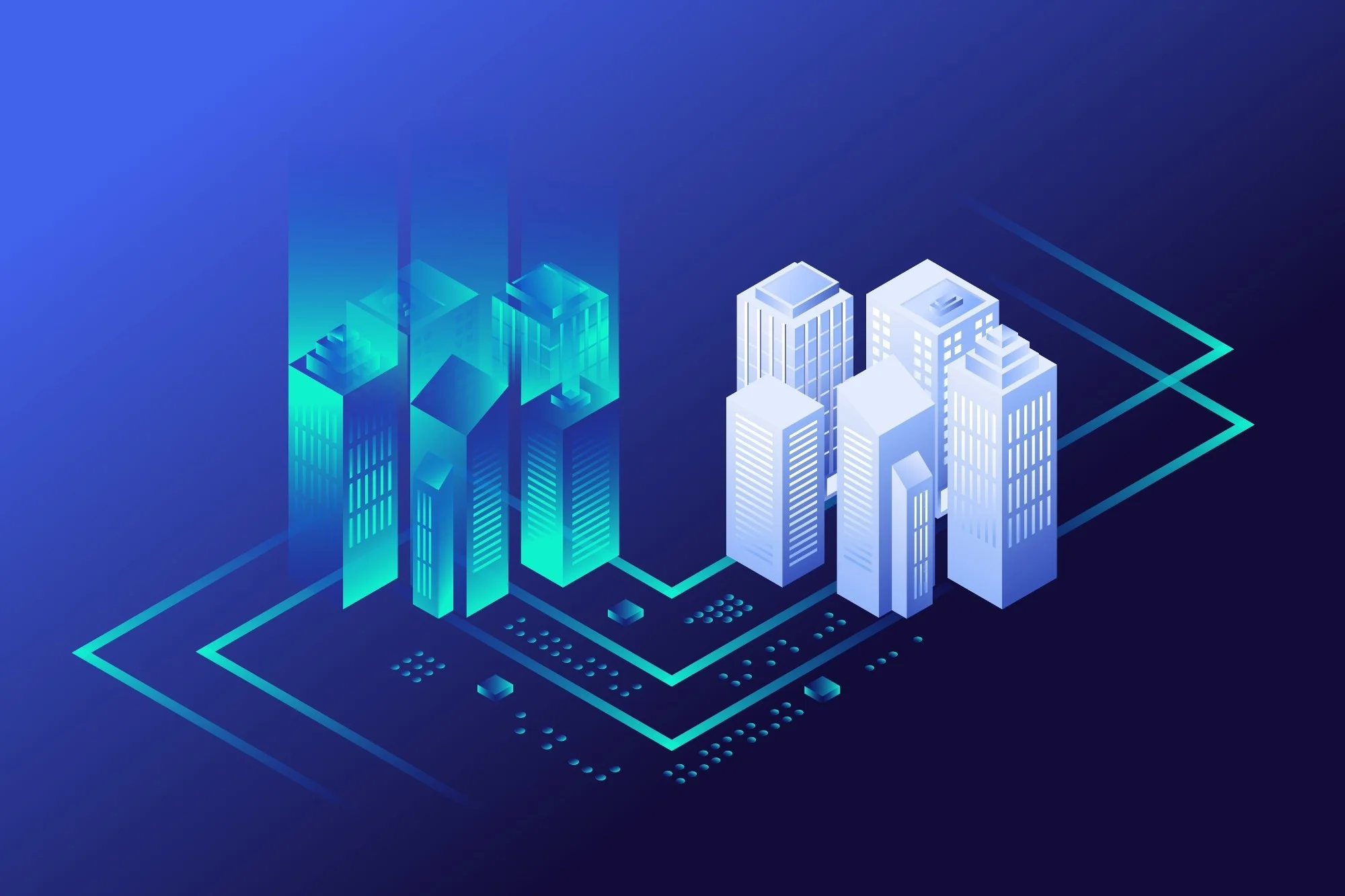
Technology is playing an increasingly vital role in addressing sustainability challenges, and digital twins are among the most promising innovations. A digital twin is a virtual model of a real-world system, allowing businesses, engineers, and city planners to test and optimize solutions before applying them in reality. These advanced simulations help improve energy efficiency, reduce waste, and enhance infrastructure resilience. By integrating artificial intelligence, IoT, and big data, digital twins enable smarter decision-making that leads to a more sustainable future. From smart cities to eco-friendly manufacturing, digital twin technology is shaping how industries approach environmental responsibility.
Making Cities Smarter and Greener
Cities use a lot of energy and produce tons of waste, but digital twins are helping them become more efficient. By creating a virtual version of a city, planners can test different ideas to reduce traffic, improve public transportation, and use energy more wisely. For example, digital twins can help predict when electricity demand will be high so power grids can adjust automatically. They can also help detect water leaks before they become big problems. Even garbage collection can be improved by using digital models to plan the best pickup routes, saving fuel and reducing pollution.
Helping Factories Waste Less Energy
Manufacturing requires a lot of power, but digital twins help factories become more energy-efficient. Companies can test new ideas before making changes by creating a virtual version of a production line. They can find ways to use less electricity, reduce waste, and keep machines working longer without breaking down. Digital twins also help track how much pollution a factory creates, allowing businesses to make eco-friendly adjustments. This not only helps the environment but also saves companies money. With better planning and fewer wasted resources, factories can become greener without slowing down production.
Join The European Business Briefing
The daily email on markets, technology, power and money across Europe. Join 10,000+ founders, investors and executives who read EBM every morning.
SubscribeKeeping Digital Twins Safe from Cyber Threats
Because digital twins rely on real-time data, they must be protected from hackers and cyber threats. Application security (AppSec) plays an important role in making sure these systems stay safe. Encryption helps keep sensitive information private, while multi-factor authentication prevents unauthorized users from making harmful changes. AI-powered security tools can detect suspicious activity and stop cyberattacks before they happen. Secure connections between digital twins and IoT devices ensure that information is sent safely. So, using strong cybersecurity measures helps businesses trust digital twins so that they can make smart decisions without worrying about security risks.
Digital Twins in Sustainability: What’s Next?
Digital twins are already helping in many industries. In farming, they help predict the best times to water crops, reducing water waste. In construction, they help design energy-efficient buildings that use fewer materials. Renewable energy companies use them to test where to place wind turbines and solar panels for the best results. Scientists even use digital twins to model ocean ecosystems and study climate change. In the near future, digital twins will become even more useful in protecting the planet.
Why More Businesses Should Adopt Digital Twins
With growing environmental concerns, more businesses need to find ways to reduce waste and save resources. Digital twins make this easier by allowing companies to test ideas before making real-world changes. They help businesses lower energy costs, improve product design, and minimize pollution. By using digital twins, companies can meet sustainability goals while staying competitive. Governments and organizations that support eco-friendly policies can also benefit by using digital models to improve urban planning and conservation efforts. The more industries adopt this technology, the greater the impact on building a cleaner, more efficient, and more sustainable world.