


























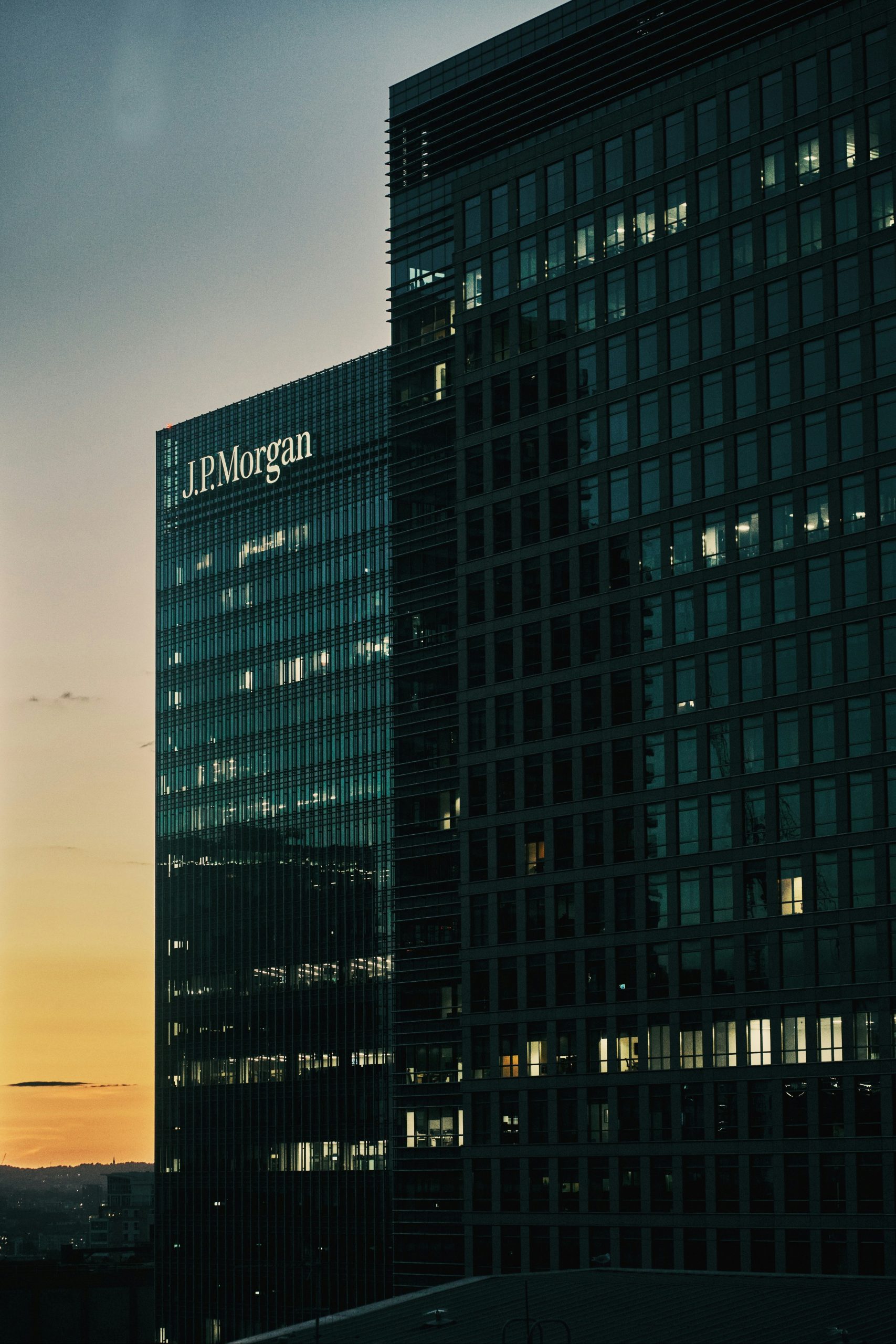
At 270 Park Avenue in Manhattan, JPMorgan Chase’s gleaming new $3 billion headquarters isn’t just another financial institution tower—it’s a lab for biometric access, smart building design, and evolving expectations of the workplace.
As the bank prepares to house around 10,000 to 14,000 staff in the 60-story, 2.5 million‐square‐foot tower, one of the most pronounced changes for employees is the mandatory use of biometric authentication. Starting in August, staff moving into the building have been asked—no longer optionally—to submit fingerprint or eye scans to get entry. Badge access remains, but only for certain staff under unclear exemption criteria. Financial Times+2The Guardian+2
🔐 Why Biometrics?
The official line is straightforward: tighter security and smoother access. JPMorgan aims to make entering the building more secure—and more seamless. Employees who submit their biometrics instead of using a badge can breeze through lobby gates without needing to dig around for an ID. In a post-pandemic world where corporate offices are reasserting their physical dominance, this move also reflects broader trends in workplace tech. Financial Times+2F&N London+2
Join The European Business Briefing
The daily email on markets, technology, power and money across Europe. Join 10,000+ founders, investors and executives who read EBM every morning.
SubscribeOther amenities back up the high-tech theme: the new HQ includes the “Work at JPMC” app, food vendors, indoor wayfinding, natural lighting designed to mirror circadian rhythms, and even QR-activated coffee stations. These touches build a narrative of workspaces as experience—or even lifestyle—spaces. Business Insider+2ID Tech+2
⚠️ Concerns and Headwinds
But this shift hasn’t come without friction. Making biometric data submission mandatory raises privacy concerns. For many, giving up fingerprint or eye data feels more invasive than using a badge, especially when policies are unclear about who is exempt or exactly how the data will be used and stored. The bank has said some exemptions apply, but hasn’t made clear what qualifies an employee for one. Financial Times+1
Then there’s the unequal rollout: while the NYC headquarters has made biometrics compulsory, other offices—such as in London—report that biometric access remains voluntary and data is encrypted so that JPMorgan doesn’t itself have raw access to employees’ biometric details. That difference underscores how local regulations and employee sentiment still shape implementation. The Guardian+1
💡 Bigger Picture & What This Means
JPMorgan’s decision sits at the intersection of a few trends:
-
Security escalation in major urban buildings, especially in areas where past incidents (like shootings nearby) have raised concerns. F&N London+1
-
Workplace tech as differentiator—where companies compete not just on salary or perks, but on how safe, modern, and slick their offices feel.
-
Privacy vs convenience trade-offs—accelerated by advances in biometric tech, but also under pressure from public sentiment and regulation. Workers, privacy advocates, and regulators are watching closely.
For employees, it means adapting to new norms: biometric scans instead of badges, app-based services, and heightened security presence. For JPMorgan, the calculus is whether the gains in security and efficiency will outweigh any concerns over trust, compliance, or potential leaks and misuse of biometric data.
✔️ What to Watch Next
-
How JPMorgan defines and enforces exemptions to mandatory biometrics, and whether these criteria satisfy fairness and legal norms.
-
Whether there are data protections spelled out in detail—how biometric data is stored, who can access it, for how long, and whether it’s encrypted or anonymized.
-
Reactions from employees, regulators, and civil liberties groups—particularly in jurisdictions with strong privacy laws.
-
Whether other major financial firms or big corporates follow suit, making biometric HQs something of a new standard—or whether backlash stalls the trend.
JPMorgan’s moves at 270 Park Avenue aren’t just about a new office—they’re a test case in the future of work: secure, high-tech, but not without its ethical and human dilemmas.